Copper (CU) is a chemical element with atomic number 29. It is a reddish-brown metallic element that is heavily ductile and excellent conductor of electricity and heat. Copper is typically found in nature in its natural form and it’s extracted from metallic ores such as chalcopyrite and bornite.
The primary source of copper is in the earth’s crust which contains copper at approximately 0.007%. Copper is used in various applications including electrical wiring, plumbing, building materials, painting and much more as a constituent in alloys like brass and bronze.
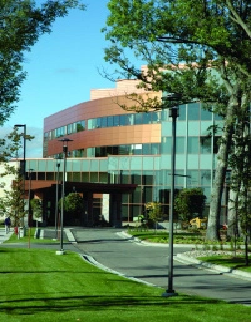
Maple Grove Hospital: This hospital is very popular serving its neighboring communities with the latest state-of-the-arts technology equipment.
Location: Maple Grove, Minnesota USA.

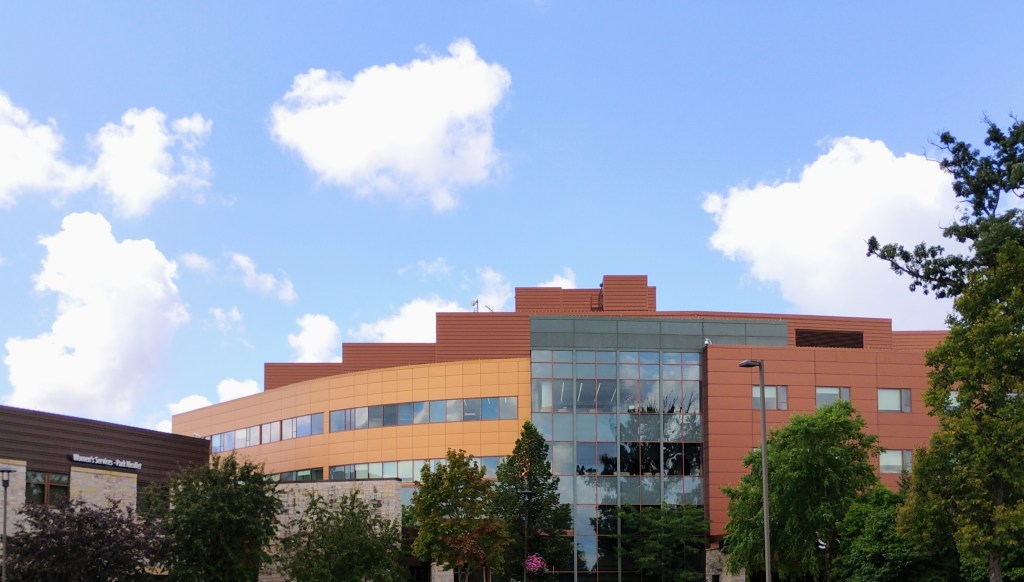
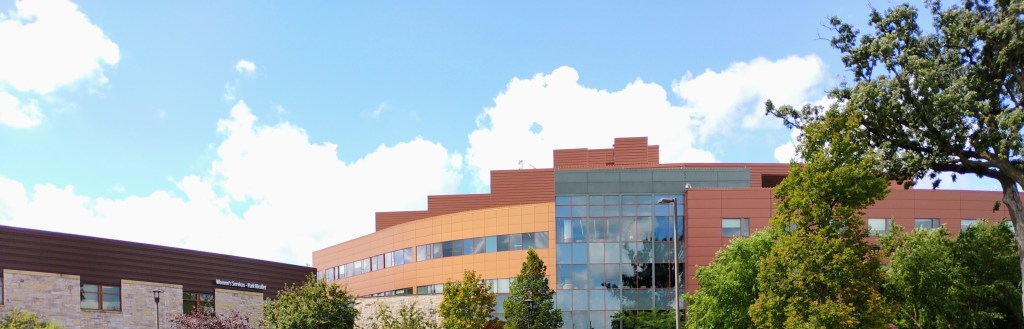

Copper is used for its exterior for decorative and conductive purposes. It’s a beautiful metal alloy material. No other metal, except gold, has a color as attractive and distinct as copper. When exposed in the environment, copper’s shiny red may become brown which then progresses to its distinctive orange shiny color.
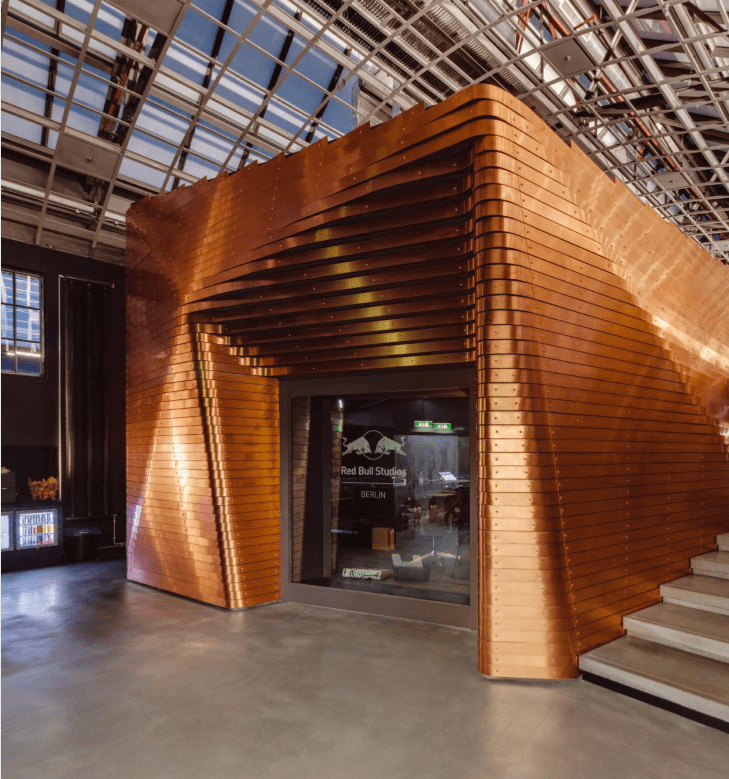
Buildings and Interiors covered with copper have been admired for centuries.
Here are some best architecture and interior designs from around world which are using copper. It showcases the rich variety of finishings that copper and its alloys can deliver for contemporary design – whether gold, brown, or orange. What stands out is the wealth of different, which are distinctive and innovative. These approaches taken by designers depending how and where it’s going to be used.
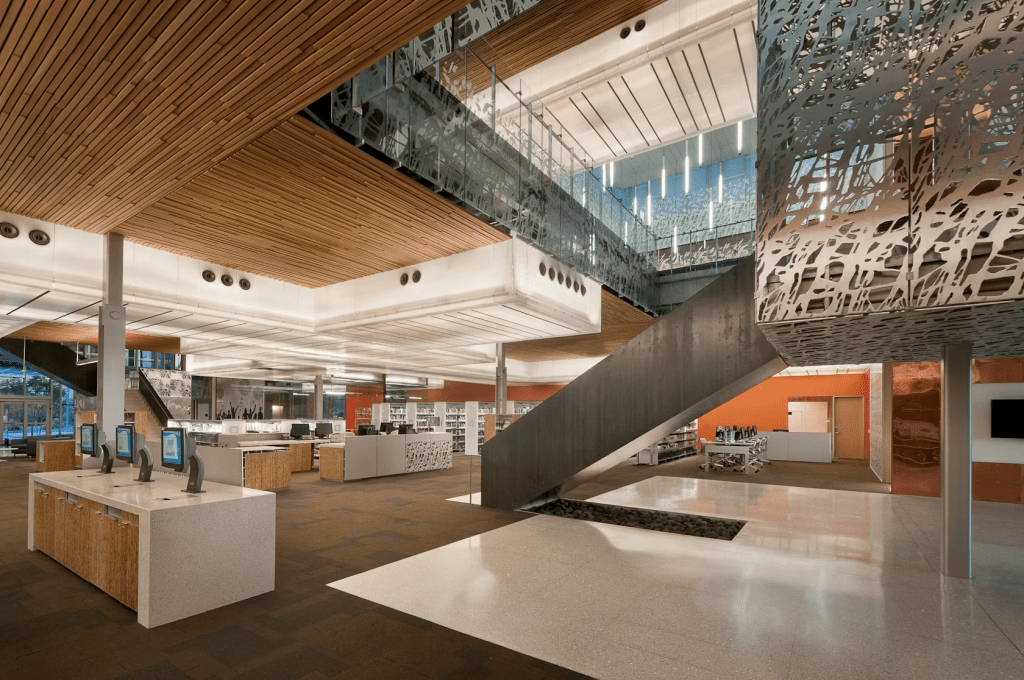
South Mountain Community Library Phoenix, AZ US.
It’s a modern community library. This building was designed to serve both public and academic visitors. Conceptually, the building explores both functional and formal layering. The weathered copper skin is used to create naturally ventilated layers.
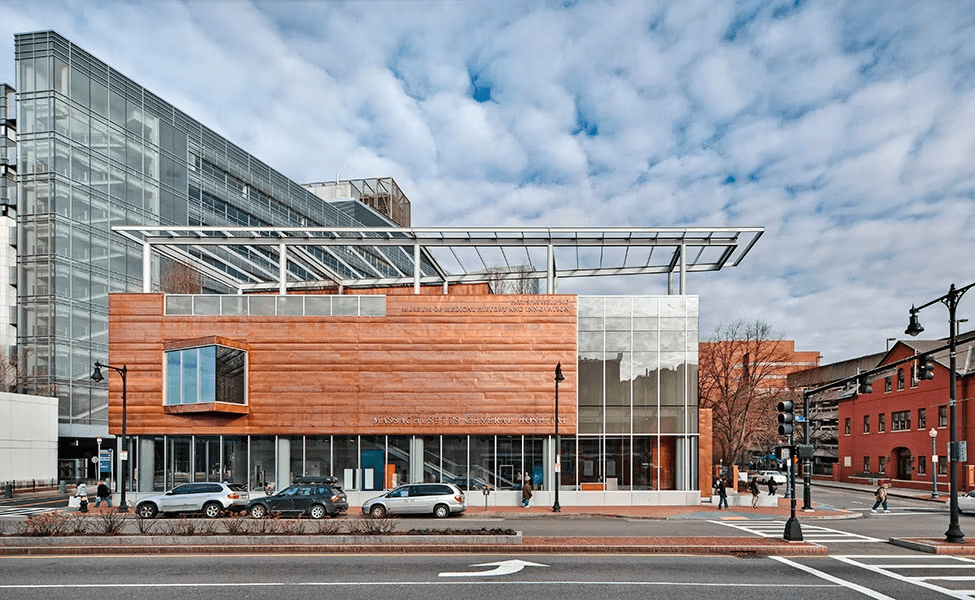
This modern architecture building uses metallic copper sheets to define its hollow vessels with seamless edges. The openness of its structure invites bright sunlight, versatility and calmness. Visitors fine this structure appealing and attractive revealing more creativity and imagination.
Location: Toyko, Japan.

Summary:
Since its discovery in 8700 B.C., copper has been one of the most used metals in the history of mankind. It has a variety of uses from electricity wiring, plumbing, connectors, semiconductors, micro conductors, medals, coins and weapons to statues and even architectural buildings. One of its first architectural uses was in Ancient Egypt for the massive doors of the temple to Amen-Re at Karnak in 300 B.C.
The versatility of this material continues in architecture to this day, allowing for a variety of unique designs and uses. Its innovative, efficient, and lightweight material is versatile in its use, ranging from facades to roofs, interior applications, and high-tech solutions. Sustainable in its natural form, copper is 100% recycled. As the state of architecture becomes more focused on sustainability, copper becomes the ideal material to use for efficient, decorative and attractive buildings.
 PLACES AND THINGS
You must be logged in to post a comment.