
The rise of automation powered by modern AI has pushed productivity to levels that would’ve been unthinkable even a decade ago. The interesting part is how this productivity boost actually happened.
How AI‑Driven Automation Is Increasing Productivity
1. Automating Repetitive, Low‑Value Tasks
- Data entry, scheduling, tagging, formatting, and routine reporting can now be handled by AI.
- This frees human workers to focus on strategy, creativity, and decision‑making — the work that actually moves the needle.
2. Accelerating Decision‑Making
- AI systems analyze massive datasets in seconds.
- Businesses can respond faster to market changes, customer behavior, and operational issues.
- This reduces bottlenecks and improves overall workflow efficiency.
3. Enhancing Accuracy and Reducing Errors
- AI models excel at pattern recognition and consistency.
- Automated quality checks, anomaly detection, and predictive maintenance reduce costly mistakes.
- Fewer errors = higher output with less rework.
4. Optimizing Workflows and Resource Allocation
- AI tools can map out inefficiencies and recommend improvements.
- In manufacturing, logistics, and supply chains, AI optimizes routes, inventory, and production schedules.
- This leads to faster throughput and lower operational costs.
5. Improving Customer Service and Engagement
- AI chatbots and virtual assistants handle routine inquiries instantly.
- Human agents can focus on complex or high‑value interactions.
- Faster response times improve customer satisfaction and retention.
6. Boosting Creativity and Innovation
- Generative AI accelerates content creation, design drafts, coding, and prototyping.
- Teams can iterate faster, test more ideas, and bring products to market sooner.
7. Scaling Operations Without Scaling Costs
- Once an AI system is deployed, it can handle increasing workloads without proportional increases in labor.
- This makes growth more cost‑efficient and sustainable.
Industries Benefiting the Most from AI
AI is transforming nearly every sector, but some industries are seeing outsized gains in efficiency, accuracy, and innovation.
Below is a structured list based on the sources retrieved.
1. Healthcare
AI is revolutionizing diagnostics, imaging, drug discovery, and personalized medicine.
- AI detects diseases earlier and with high accuracy.
- Predictive analytics improves patient monitoring and reduces readmissions.
- Drug discovery cycles are dramatically shortened. Sources:
2. Finance & Banking
One of the earliest adopters of AI, and still one of the biggest beneficiaries.
- Fraud detection using real‑time pattern analysis.
- Algorithmic trading powered by machine learning.
- Automated customer service and claims processing. Sources:
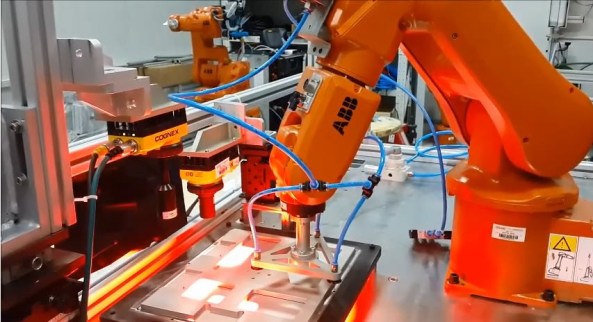
3. Manufacturing
AI boosts productivity through automation, predictive maintenance, and quality control.
- Robots and AI systems streamline production lines.
- Predictive maintenance reduces downtime.
- Computer vision improves defect detection. Sources:
4. Retail & E‑Commerce
AI enhances personalization, pricing, and supply chain efficiency.
- Recommendation engines (like Amazon’s).
- Dynamic pricing based on demand and behavior.
- Inventory optimization and demand forecasting. Sources:
5. Transportation & Logistics
AI improves routing, safety, and automation.
- Route optimization reduces fuel and time.
- Autonomous vehicles and warehouse robots increase efficiency.
- Predictive logistics improves delivery accuracy. Sources:
6. IT & Telecommunications
AI strengthens cybersecurity, network optimization, and automation.
- AI detects anomalies in real time.
- Automates customer support and network troubleshooting. Sources:
7. Media & Entertainment
AI accelerates content creation, editing, and personalization.
- Generative AI for scripts, images, and video editing.
- Personalized content recommendations. Sources:
8. Education
AI supports personalized learning and automated grading.
- Adaptive learning platforms.
- AI tutors and content generation. Sources:
9. Energy
AI optimizes grid management, forecasting, and sustainability.
- Predictive analytics for energy demand.
- AI‑driven monitoring of renewable systems. Sources:
10. Legal Services
AI accelerates document review, research, and contract analysis.
- NLP tools summarize and analyze legal documents.
- Automation reduces billable hours spent on repetitive tasks. Sources:
Summary Table
| Industry | Key AI Benefits |
|---|---|
| Healthcare | Diagnostics, drug discovery, personalized medicine |
| Finance | Fraud detection, trading, automation |
| Manufacturing | Robotics, predictive maintenance, quality control |
| Retail | Personalization, pricing, inventory optimization |
| Logistics | Routing, automation, predictive delivery |
| IT/Telecom | Cybersecurity, automation, network optimization |
| Media | Content creation, personalization |
| Education | Adaptive learning, automation |
| Energy | Grid optimization, forecasting |
| Legal | Document automation, research |
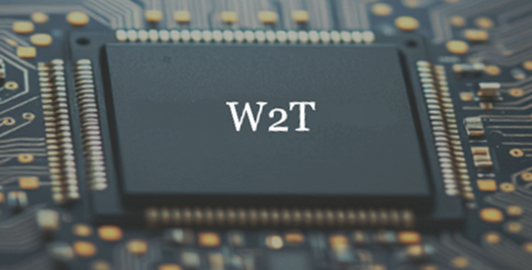
Latest AI‑powered chips and connectivity technologies are enabling seamless, reliable, and highly efficient business‑to‑customer (B2C) procurement processes
How W2T AI Chips Are Transforming B2C Procurements
1. Ultra‑fast data processing
Modern AI chips handle massive datasets in real time, allowing businesses to:
- Track customer demand instantly
- Adjust inventory dynamically
- Personalize offers at the moment of interaction
2. Low‑latency connectivity
Advanced chip‑to‑cloud communication reduces delays, enabling:
- Faster checkout experiences
- Real‑time product availability updates
- Instant fraud detection
3. Smarter automation across the procurement chain
AI chips power intelligent systems that automate:
- Order routing
- Supplier matching
- Pricing optimization
- Customer notifications
4. Higher reliability and fewer system failures
AI‑driven predictive maintenance keeps procurement platforms running smoothly, reducing downtime and improving customer trust.
5. Hyper‑personalized customer experiences
With AI chips accelerating machine‑learning models, businesses can tailor:
- Recommendations
- Promotions
- Delivery options based on real‑time customer behavior.





 PLACES AND THINGS
You must be logged in to post a comment.