 The Indian Ocean is the 3rd largest Ocean in the world. The surface of the planet is approximately 70% water and contains (5) five oceans, including the Arctic, Atlantic, Indian, Pacific and Southern. Their borders are indicated on the world image (left) in varied shades of blue.
For many years only (4) four oceans were officially recognized, and then in the spring of 2000, the International Hydrographic Organization established the Southern Ocean and determined its limits. Those limits include all water below 60 degrees south, and some of it, like the Arctic Ocean, is frozen.
The Indian Ocean is bounded by Africa from the Southeast, Asia from the South and Australia from the West. There are so many activities and trades going on in these oceans transporting goods by sea, air and within their individual continents as well. The distribution, transportation, fisheries and fashion industries are noticeable and remarkable.
Here are interesting Facts About the INDIAN OCEAN:
The Indian Ocean is the world’s third-largest, youngest, and warmest ocean, covering about 20% of Earth’s water surface, bordered by Asia, Africa, Australia, and Antarctica, with unique features like seasonal currents, vital trade routes, and a deep Java Trench. It’s crucial for global trade, carrying significant oil, home to diverse life (whales, dugongs, corals), and contains remnants of ancient landmasses, making it geologically complex.
Size & Geography
- Rank: Third-largest ocean (after Pacific and Atlantic).
- Coverage: Roughly 70.5 million sq km (27.2 million sq mi), about one-fifth of Earth’s ocean area.
- Boundaries: Asia (N), Africa (W), Australia (E), Southern Ocean/Antarctica (S).
- Deepest Point: The Java Trench (or Sunda Trench), near Indonesia.
Unique Characteristics
- Age: The youngest and most geologically complex of the major oceans.
- Temperature: The warmest ocean basin, influencing its currents and marine life.
- Currents: Has unique, seasonally reversing currents due to its landlocked northern basin.
- Growth: Widens slightly each year due to tectonic plate movement.
Life & Trade
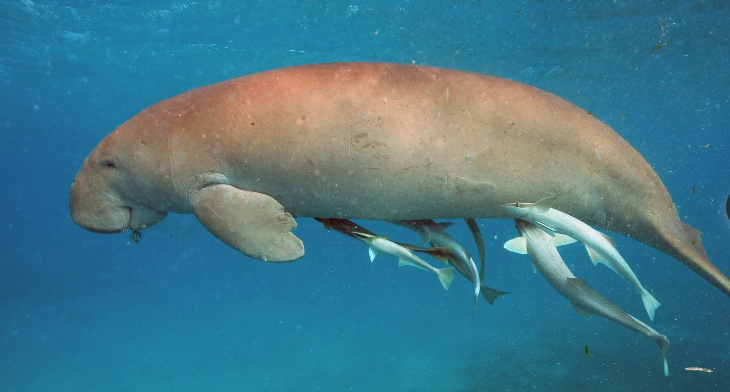
- Biodiversity: Rich in marine life, including whales, dugongs, sharks, and corals.
- Migration: A key breeding ground for humpback whales migrating from polar waters.
- Trade: Major shipping lanes, transporting a large percentage of the world’s oil.
- Rivers: Receives significant runoff from major rivers like the Ganges and Indus.
Other Facts
- Name Origin: Named after India, as it borders the country.
- Lost Continent: Scientists have found evidence of a “lost continent” (Mauritia) beneath it.


 PLACES AND THINGS
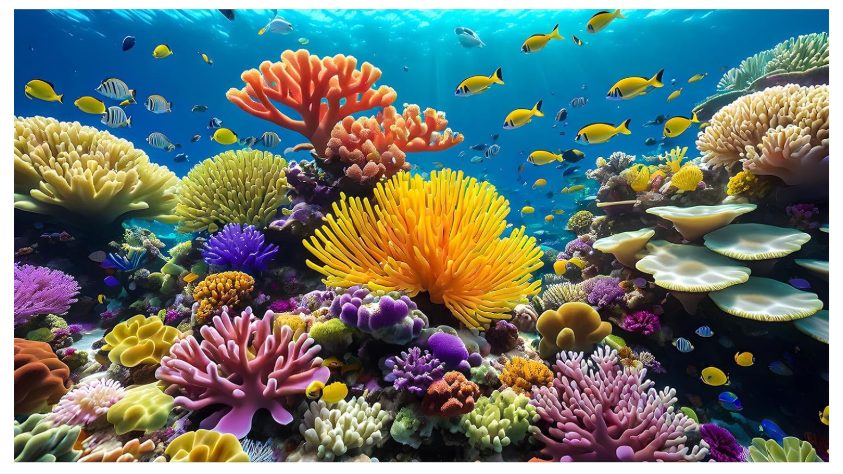
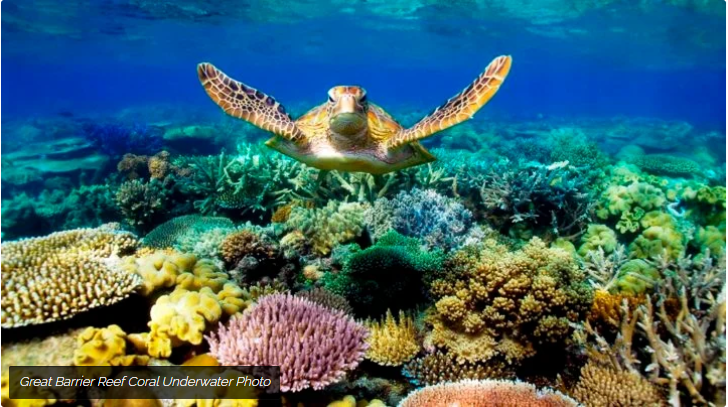
I dream of diving into the warm, crystal-clear waters of the Indian Ocean, feeling the waves gently carry me along. I’d love to explore the vibrant coral reefs, full of colorful marine life, and swim alongside schools of fish. The thought of experiencing such natural beauty makes me feel at peace and in awe of the ocean’s wonders.
LikeLike
I added images of marine wildlife and coral reefs to reflect the vibrant, natural beauty and wonders of the Indian ocean.
Thank you for your positive and encouraging words.
LikeLike
Best website in the world plz leave a comment 💝💝
LikeLiked by 1 person
I’m glad you like the images captured on INDIAN OCEAN. There are lots of travelling through this ocean. Industries such as fisheries, rice and shrimp crackers are best during Fall and Winter season. Carving of yachts and ships also take place on their frontiers.
LikeLike
This may contain precious coral admirable species
LikeLike
The Indian Ocean is bounded by Africa from the South East, Asia from the South and Australia from the West. There are so many activities and trades going on in these oceans transporting goods by sea, air and within their individual continents as well. The distribution, transportation and fashion industries are noticeable and remarkable
LikeLike
I included pictures of some of the marine life commonly found in these areas.
Thank you for your comment.
LikeLike